The check engine light is the most-misunderstood warning on a modern dashboard. It can be triggered by a $9 sensor, a $40 gas cap, or a failing catalytic converter that costs ten times that to replace. Reading the code is the easy part — figuring out what's actually wrong is where most shops cut corners.
The single most important question
Is the light steady, or is it flashing? A steady light means the system has detected a fault and is asking to be looked at — you can usually drive normally to a shop within a day or two. A flashing light is different. It almost always means an active engine misfire severe enough to damage the catalytic converter quickly. Drive gently, get it in soon.
Why "just reading the code" isn't enough
OBD-II codes describe symptoms, not root causes. A P0420 (catalyst efficiency below threshold) might be a dying catalytic converter — but it can just as easily be a failing upstream oxygen sensor, an exhaust leak before the cat, or even a chronic misfire that's been slowly poisoning the cat for months. Throwing a $400 catalyst at a $40 sensor problem is the kind of repair that gives independent shops a bad name.
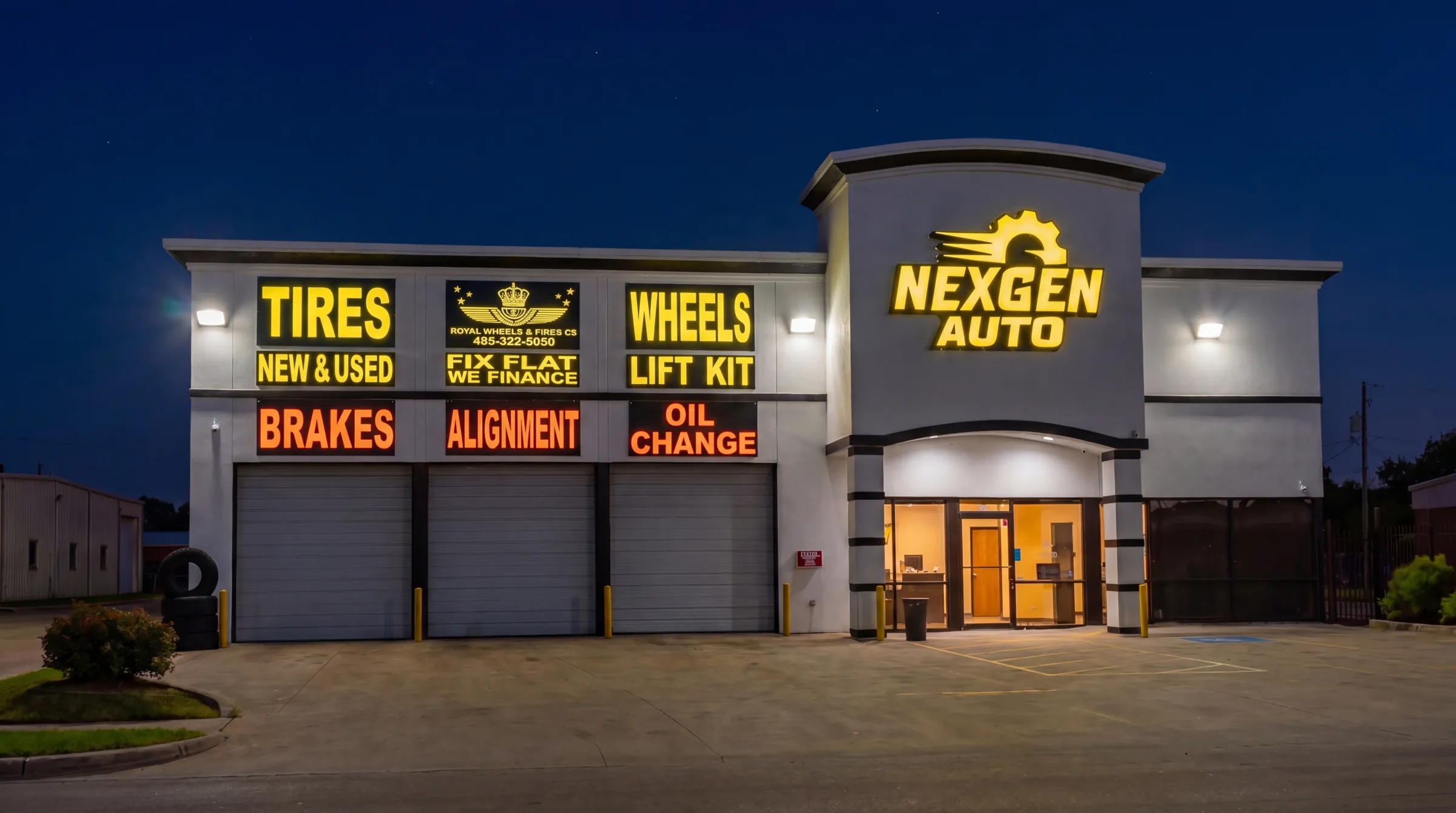
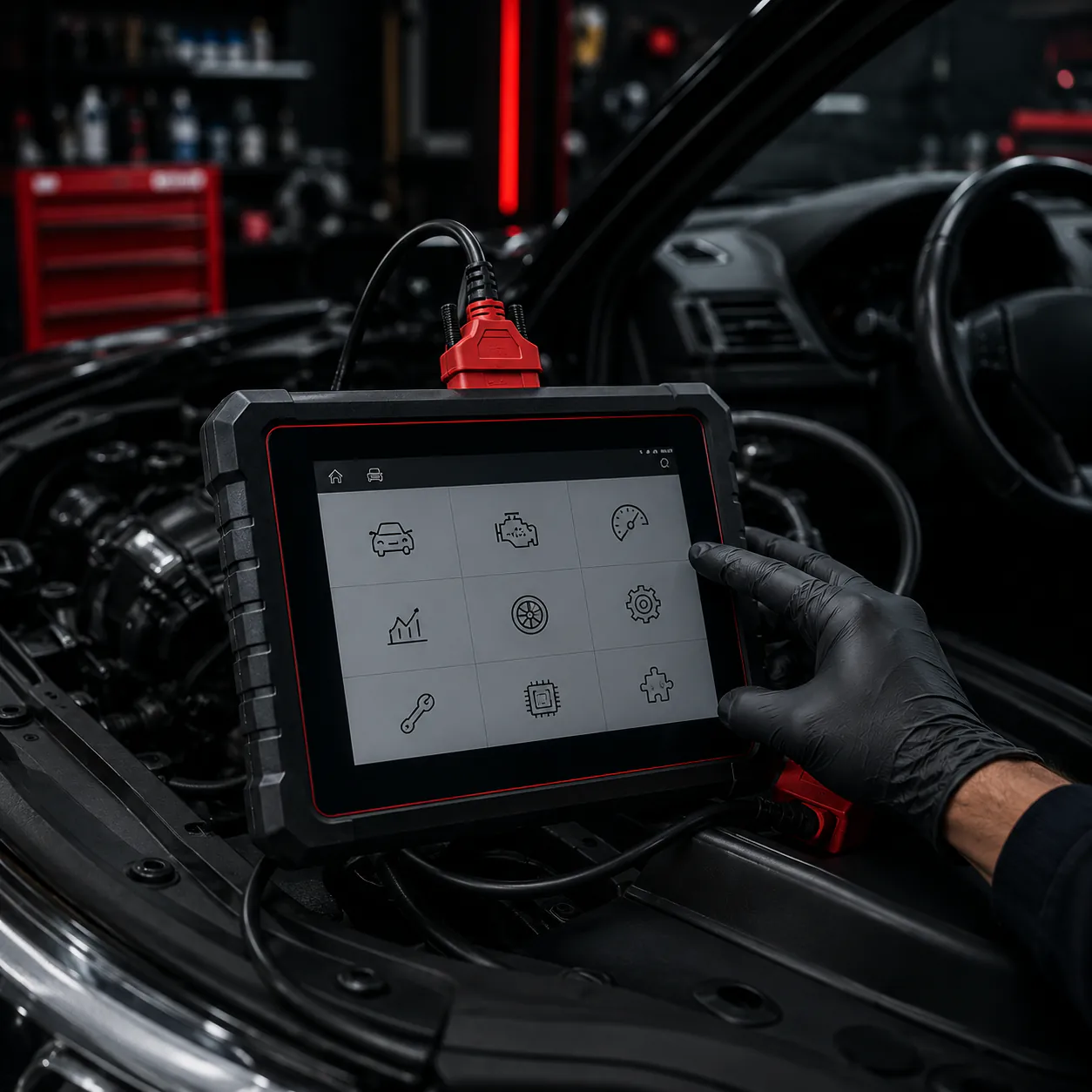
At NexGen Auto in Irving, we read every available module on the car, then capture live data on a short test drive while we try to reproduce the symptom. That's how you separate a real failure from a fluke trip code.
Common Irving / DFW culprits
- Loose or cracked gas cap (the cheapest fix in the manual — try this first)
- Failing mass airflow sensor — common above 80,000 miles in heat-cycled North Texas vehicles
- Oxygen sensor wear — typical lifespan is 60,000–100,000 miles
- EVAP system leaks from heat-aged rubber hoses (Texas summers are brutal on these)
- Misfires from worn coils or plugs
- Catalytic converter efficiency falling off after long-term running condition
What to expect at the shop
A diagnostic visit at NexGen Auto runs about an hour for most check engine codes. You'll get the code itself, what we found in live data, and a written description in plain English — no jargon, no "we'll need to dig further" without a specific number attached. If we recommend a repair, the diagnostic fee is credited toward the work.